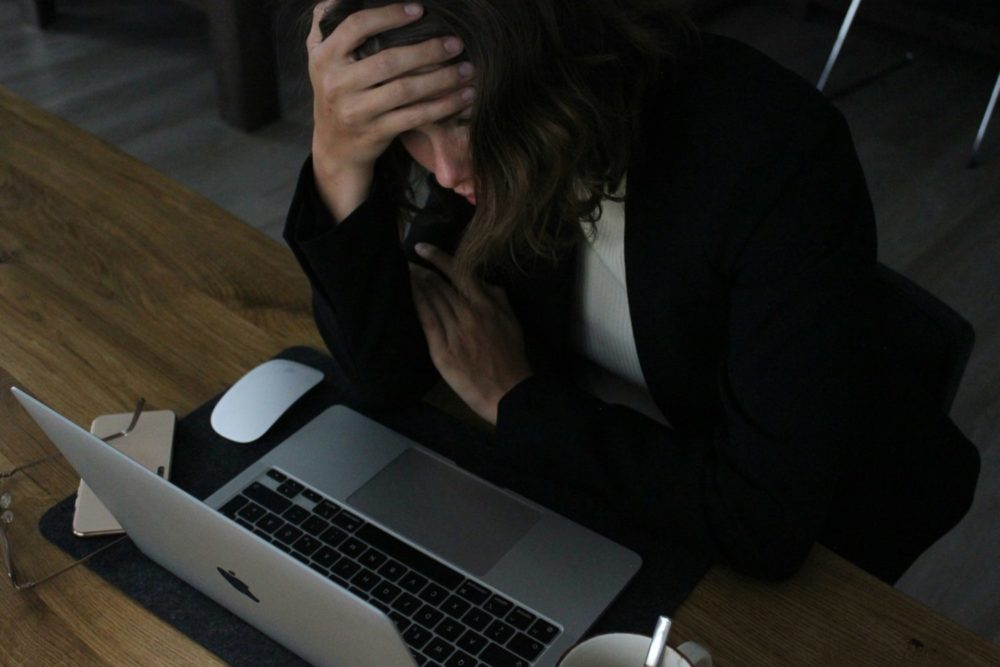

April marks Stress Awareness Month, a time to pause, reflect, and open up conversations about something that affects us all,stress. In today’s fast-paced world, stress has become a common part of life. While a small amount of stress can sometimes motivate us, ongoing or overwhelming stress can have a serious impact on both our mental and physical wellbeing.
How stress impacts us
Stress is far more widespread than many people realise. In the UK, around 74% of adults have felt so stressed at some point that they were overwhelmed or unable to cope. Some people experience stress even more frequently, with around 1 in 14 adults reporting that they feel stressed every single day. Recent reports also suggest that as many as 91% of adults have experienced high or extreme levels of stress within the past year.
Stress in children and young people
Children and young people are not immune to this either, with around 1 in 4 experiencing a diagnosable mental health condition, often linked to stress and anxiety. These figures highlight just how important it is to talk about stress and its impact.
physical and mental effects
Stress can affect the mind in many different ways. You might notice constant worry, racing thoughts, or a feeling of being overwhelmed. It can also lead to irritability, mood swings, difficulty concentrating, and feelings of anxiety or low mood. For many people, stress doesn’t just pass quickly, it lingers and begins to shape how they think and feel day to day.
At the same time, stress has very real effects on the body. It can cause headaches, muscle tension, fatigue, and sleep problems, as well as digestive issues and a racing heart. When stress continues over a long period of time, it can contribute to more serious health concerns, including heart problems and a weakened immune system. This is because the body remains in a heightened state of alert, which over time takes its toll physically as well as mentally.
Daily life
Long-term stress can begin to affect every area of life, from relationships to work and overall wellbeing. It can increase feelings of loneliness, reduce confidence, and make it harder to make decisions or cope with everyday challenges. Some people may also turn to unhealthy coping strategies, such as overeating or increased alcohol use, as a way of managing how they feel.
Help to cope with stress
The good news is that there are many ways to manage and reduce stress. Simple steps such as talking to someone you trust, getting regular exercise, practising mindfulness or breathing techniques, and making time for rest can all make a meaningful difference. Even small changes to your daily routine can help you feel more balanced and in control.
One of the most effective ways to manage stress is simply talking about it. Keeping everything inside can make stress feel heavier and more overwhelming, whereas sharing how you feel can bring a sense of relief. Talking to someone in a safe and supportive environment can help you make sense of your thoughts, gain clarity, and feel heard and understood. It also allows you to develop healthier ways of coping with the challenges you are facing.
At Future Living, we offer a low-cost counselling service designed to make support accessible to everyone. We understand that reaching out for help can feel difficult, but you don’t have to face stress alone. Our counsellors provide a confidential and non-judgemental space where you can talk openly and begin to feel more in control. We also offer a boxing group for women,in Hertford on Friday evenings, another great way to let off some steam!
Stress is a normal part of being human, but when it becomes overwhelming, support can make all the difference. This Stress Awareness Month is an opportunity to break the stigma, start conversations, and remind ourselves and others that it’s okay to ask for help. Talking really can be the first step towards feeling better.
For more information about our counselling service or Women’s boxing group, email: [email protected]